
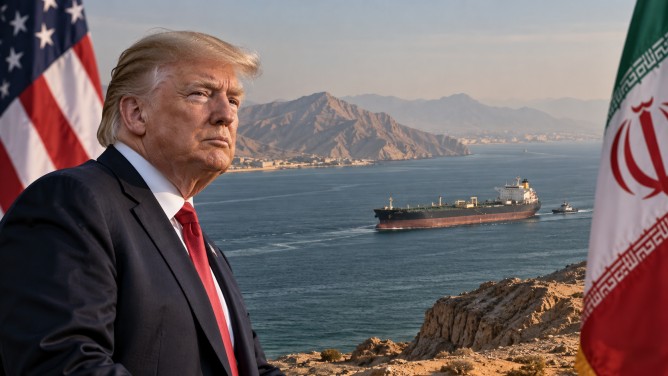
US President Donald Trump anticipates further diplomatic engagements with Iran despite rejecting Tehran’s recent proposal to reopen the Strait of Hormuz. The proposal, which was communicated through Qatar, was dismissed by Trump as it did not align with US requirements. However, he remains optimistic about future negotiations.
The Iranian proposal, presented by Foreign Minister Abbas Araghchi, suggested a seven-day plan to reopen the strategic Strait of Hormuz, conditional upon several factors including lifting the US naval blockade, easing sanctions, and releasing frozen Iranian assets. In return, discussions on Iran’s nuclear program would resume. US officials expressed concerns over the preconditions set by Iran, leading to the proposal’s rejection.
The discussions took place during the United Nations General Assembly in New York, where both sides engaged indirectly through intermediaries. Despite the current impasse, Trump indicated that US representatives are expected to continue talks with Iran, potentially addressing issues related to the Strait of Hormuz, sanctions, the nuclear issue, and broader terms for reducing regional tensions.
The Strait of Hormuz is a significant point of contention due to its critical role in global energy shipments. Any agreement to restore normal maritime traffic could have wide-ranging implications for regional stability and international energy markets, underscoring the strategic importance of ongoing negotiations.