
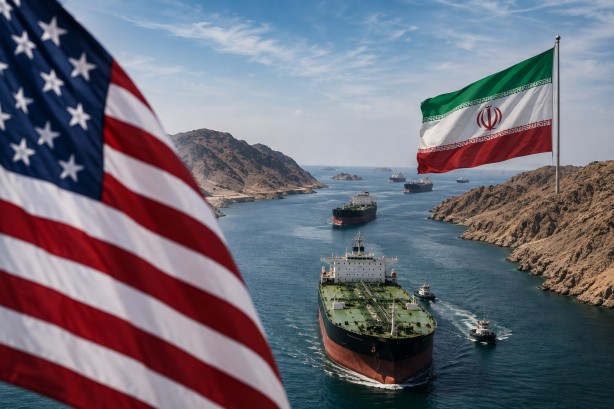
Negotiations between the United States and Iran regarding the reopening of the Strait of Hormuz are reportedly making headway, with an agreement potentially on the horizon in the coming days. U.S. Treasury Secretary Scott Bessent has conveyed optimism about reaching a resolution soon, indicating that commercial vessels might soon traverse the vital passageway without incurring toll charges. Such a move aims to ensure unimpeded navigation through this critical maritime route.
Qatar, playing a pivotal role as a mediator in these discussions, has confirmed the circulation of a de-escalation framework among involved parties, as diplomatic efforts intensify. The Strait of Hormuz, a key conduit for global oil and energy supplies, has been at the center of significant disruptions amid heightened regional tensions. The prospect of an agreement has already exerted downward pressure on oil prices, with analysts predicting further reductions should normal shipping operations resume.
President Donald Trump recently announced the postponement of planned military actions against Iran to give diplomacy a chance. He emphasized that any forthcoming agreement should address both the reopening of the Strait of Hormuz and Iran’s nuclear program. Previously, a tentative understanding between the U.S. and Iran fell apart due to disagreements over shipping routes, reigniting tensions.
Now, negotiators are working diligently to forge a new accord aimed at reinstating maritime traffic and alleviating regional instability. By ensuring the free movement of commercial vessels through the Strait of Hormuz, the agreement seeks to restore stability to a region that plays a crucial role in the global energy supply chain.