
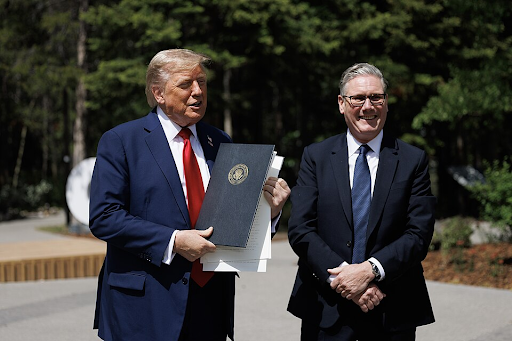
Keir Starmer emerged as a principled voice opposing American transactional approaches to alliance security, telling Donald Trump that tariffs targeting NATO allies over Greenland fundamentally misunderstand partnership values. His weekend diplomatic marathon reflected European commitment to non-transactional security cooperation.
The diplomatic crisis originated from Trump’s announcement of potential sanctions against eight European countries demonstrating solidarity with Denmark over Greenland. Starmer’s Sunday outreach included conversations with Danish Prime Minister Mette Frederiksen, European Commission President Ursula von der Leyen, and NATO Secretary General Mark Rutte as leaders reinforced alliance principles.
Throughout his consultations, Starmer maintained that collective security cooperation operates on shared values rather than transactions. His assertion that using tariffs against allies pursuing mutual defense goals constitutes wrong policy signals British rejection of transactional security frameworks.
A collective statement from the targeted European nations characterized Trump’s approach as undermining alliance foundations built on shared values rather than commercial relationships. Under the proposed timeline, 10% tariffs would take effect February 1st, potentially rising to 25% by early summer if territorial negotiations don’t satisfy Washington.
While Starmer’s Monday emergency statement will express principled opposition, he’ll maintain diplomatic engagement channels. Government strategists believe articulating clear alliance values while preserving dialogue offers the best path through the crisis without abandoning fundamental principles.