
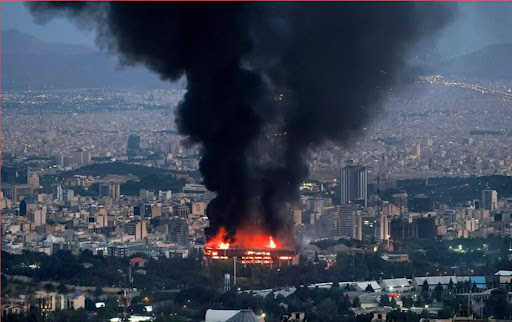
World governments watched with growing unease on Saturday as the United States pressed its military campaign against Iran with no diplomatic channel open and no sign of negotiations beginning. President Trump, speaking publicly, said he was not ready to deal with Iran and refused to give any timeline for ending the conflict. US warplanes continued bombing Iran, including further strikes on Kharg Island, while Iran launched missiles at the UAE, fired rockets at Israel, and threatened wider strikes across the Gulf. The war was entering its third week with every front active and every major power anxious about the outcome.
The absence of a diplomatic framework was particularly alarming for nations dependent on Gulf energy supplies. The Strait of Hormuz had been closed by Iran since the war began on February 28, cutting off a waterway through which roughly 20 percent of global oil and gas passes. Oil prices were approaching $120 per barrel, and analysts warned they could surge to $150 if Kharg Island’s full export capacity were destroyed. Trump had called on China, France, Japan, South Korea, and the UK to send warships to help reopen the passage — the first public acknowledgment that the US might need international support.
Iran demonstrated its continued capacity for escalation on Saturday. Ballistic missiles hit Fujairah in the UAE, suspending oil-loading operations at the globally critical port. Iranian commanders threatened strikes on any Gulf energy facility with American ties. The foreign minister called on Arab states to expel US forces. Iran continued firing rockets at Israel simultaneously, keeping multiple military fronts active. Analysts at the International Crisis Group described Iran’s strategy as deliberate and coherent — survive, retaliate, and prolong the conflict for a better deal.
Israeli warplanes conducted dozens of raids inside Iran, killing at least 15 people in an Isfahan factory strike. Iran fired back at Israel. US Defence Secretary Pete Hegseth claimed Iran’s leadership was “desperate and hiding” and suggested the new supreme leader had been wounded. Iranian officials confirmed the injury but dismissed its severity. The USS Tripoli and 2,500 additional US marines were heading to the region, reinforcing American options without clarifying exactly what mission they might undertake.
The human toll of the conflict was severe and growing. More than 1,400 Iranians had been killed in the bombing campaign. Thirteen Israelis and around 20 Gulf residents had also died. Lebanon’s crisis deepened, with 800 killed and 850,000 displaced from Israeli strikes on Hezbollah. Six US troops died in a military aircraft crash in Iraq. The US embassy in Baghdad was struck by missiles, and Americans across Iraq were ordered to leave immediately. The world was watching a war with enormous global consequences and no visible path to peace.