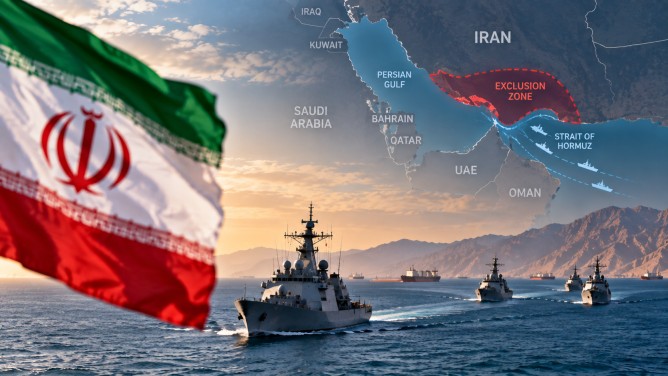
Iran is set to create an “exclusion zone” close to the Strait of Hormuz, targeting vessels it suspects of attempting passage through this crucial maritime corridor. Mohsen Rezaei, who heads Iran’s Supreme National Security Council, announced that this zone will stretch from the U.S. naval blockade area toward the Strait of Hormuz and into the Arabian Gulf. Any vessels identified within this zone with the intent to cross the strait could face sanctions by Iran.
This move comes amid heightened tensions following a series of confrontations. The United States recently conducted a strike on three Iranian oil tankers in response to Iran’s ballistic missile attack on U.S. warships. Additionally, Iran claimed to have hit an unmanned U.S. vessel trying to enter the strait, a claim that the U.S. military has denied.
The Strait of Hormuz is a pivotal channel for global oil and gas shipments, and disruptions there have raised alarms about potential impacts on energy prices and the broader global economy. The U.S. has responded by deploying naval forces to enforce a blockade of Iranian ports, aiming to prevent Iran from exporting oil, and has increased economic sanctions following the breakdown of diplomatic talks.
Rezaei emphasized that Iran remains open to diplomacy but seeks more robust assurances in any future agreements. Negotiations between the U.S. and Iran have stalled, with both sides accusing each other of violations. Despite these tensions, U.S. officials report that significant amounts of oil continue to flow through the Strait of Hormuz, aided by naval protection and alternative regional pipelines.