
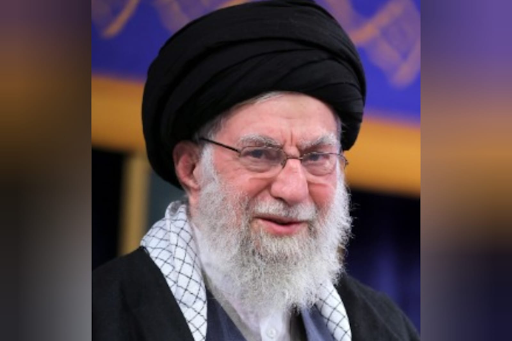
When Ayatollah Khomeini, the founder of the Islamic Republic, died in 1989, his funeral drew millions of people into the streets of Tehran — one of the largest public gatherings in history. The scenes of mass grief were a testament to his centrality in Iranian public life and a powerful display of the regime’s popular legitimacy. Khamenei’s funeral, when it is announced, will be a very different event.
The logistical challenges of organizing a massive public event during an active conflict are considerable. Security concerns are immense. The concentration of large crowds in urban areas creates vulnerability to further airstrikes, and Iranian security planners will be weighing the symbolic value of a large public funeral against the risks involved.
The political dimension is equally complex. A large funeral would be presented as a demonstration of national unity and regime strength. But in a country where social media videos showed people celebrating Khamenei’s death, the authenticity of any public mourning display would be questioned internationally and privately by many Iranians.
The contrast with Khomeini’s funeral is itself politically charged. Khomeini died with far greater religious authority and popular legitimacy than Khamenei possessed in his final years. The comparison would be inescapable and potentially unflattering to the regime’s narrative of continuity and popular support.
How the regime handles the funeral — whether it opts for a large public display, a more private ceremony, or something in between — will itself be read as a signal about its confidence in its own legitimacy and its assessment of the public mood. Every decision about the event will be a political statement.