
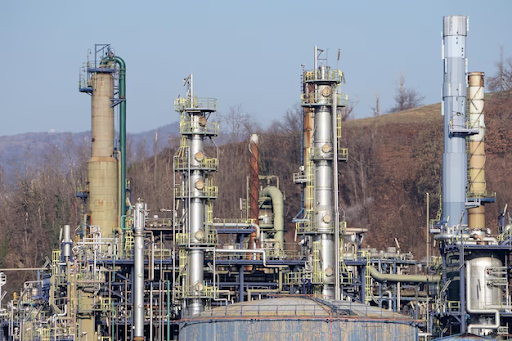
Liquefied natural gas — a commodity that most people outside the energy industry had barely heard of a decade ago — has moved to the very centre of the global energy crisis triggered by the Middle East conflict. The shutdown of Qatar’s LNG production facilities, which could remove close to 20% of global supply, has sent gas prices surging across Europe and Asia and highlighted the extraordinary strategic importance of a commodity that is now central to the world’s energy architecture.
LNG is natural gas that has been cooled to extremely low temperatures to convert it into liquid form, making it possible to transport by ship rather than by pipeline. The development of LNG technology over the past four decades has transformed global gas markets, enabling gas to be traded internationally in a way that was previously impossible. Qatar, with its enormous gas reserves and strategic investment in LNG infrastructure, became one of the dominant players in this transformed market.
The importance of LNG has grown dramatically in recent years, particularly as countries around the world seek to reduce their dependence on coal and oil while maintaining a reliable energy supply. Gas is seen as a transition fuel — cleaner than coal, more flexible than oil, and capable of backing up intermittent renewable energy sources. The growth of LNG trade has been central to this transition, connecting gas-rich countries with energy-hungry consumers around the world.
The current crisis illustrates both the strategic importance of LNG and the vulnerabilities inherent in global LNG supply chains. The concentration of a large share of global LNG production in Qatar — a single facility in a geopolitically volatile region — represents a structural vulnerability that Monday’s events have exposed with brutal clarity. The 40% surge in European gas prices and the sharp rise in Asian LNG spot prices reflect the severity of the supply shock created by Qatar’s sudden exit from the market.
For energy policymakers around the world, the crisis provides fresh evidence for the importance of LNG supply diversification, strategic LNG storage, and accelerated investment in alternative energy sources. For consumers and businesses, it is a reminder that the complex global infrastructure that delivers energy to homes, offices, and factories is far more vulnerable to disruption than the seamless reliability of modern energy systems might suggest.