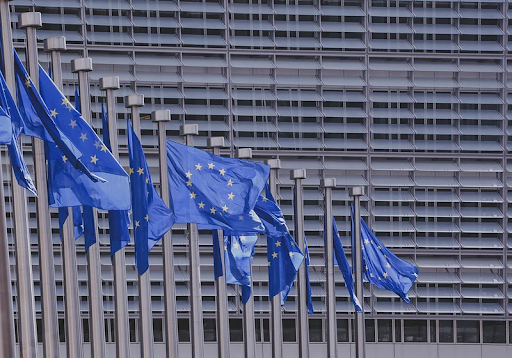
The European Union is preparing to wield its economic might by proposing new tariffs on Israeli goods, a move designed to create financial pressure on Israel to cease its military operations in Gaza. As Israel’s largest trading partner, the EU’s decision to alter established trade preferences could have far-reaching consequences for the Israeli economy.
The plan involves revoking the zero-tariff preference for a select range of Israeli products, which currently benefits from an Association Agreement. Instead, these goods would be subject to World Trade Organization tariffs, ranging from 8% to 40%. The EU estimates this change would apply to 37% of Israeli goods imported to the bloc, generating approximately €230 million in new duties.
This economic strategy is rooted in a legal argument. An EU diplomatic review in June concluded that Israel had violated the human rights component, Article 2, of its trade agreement with the bloc. European officials have clarified they are not proposing a full trade suspension but rather a “suspension of trade preferences” as a “carefully considered response.”
Israel has vehemently opposed the move, arguing that economic pressure will not alter its security policies. The Israeli economy, already under significant strain from the costs of the 23-month war, would face additional challenges if these tariffs are implemented, potentially impacting numerous sectors that rely on the European market.
The proposal also includes the immediate suspension of €32 million in bilateral funds controlled by the European Commission. However, the path to implementation is fraught with difficulty, as the EU’s 27 member nations must first agree to endorse what would be one of the most significant economic actions taken against Israel in the bloc’s history.