
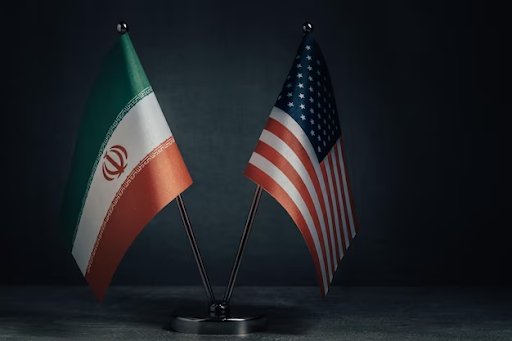
A nuclear deal between Iran and the United States moved fractionally but meaningfully closer on Tuesday, as the second round of indirect talks in Geneva ended with Iranian officials reporting agreement on guiding principles and a clear procedural path forward. Foreign Minister Araghchi said the session was constructive and that both sides were now ready to exchange draft texts.
The talks, brokered by Oman and lasting about three and a half hours, tackled the core nuclear issues that have divided Tehran and Washington for years. Iran’s proposal to dilute its stockpile of 60% enriched uranium and expand IAEA inspector access was at the center of the discussions, alongside broader questions about the scope and duration of any enrichment constraints.
Iran made clear throughout what it would and would not accept. It would accept robust international verification, expanded IAEA access, and even a temporary enrichment suspension under the right conditions. What it would not accept was a permanent end to domestic enrichment or any negotiation touching its missile programme or its regional relationships.
The US negotiating position remained firm on the enrichment question — American officials reportedly pressed for a complete halt to Iranian uranium enrichment on Iranian soil. The two sides also differed on the timeline for any suspension, with the uncertainty surrounding the physical damage to Iran’s nuclear infrastructure adding practical complications.
Internationally and domestically, the context was tense. The US naval presence in the region continued to grow, and Khamenei made public threats toward American warships. Inside Iran, a day of national mourning for protest victims unfolded simultaneously with the judicial processing of over 10,000 individuals arrested in connection with recent demonstrations — a reminder that the nuclear talks, while consequential, were only one dimension of an enormously complex situation.