
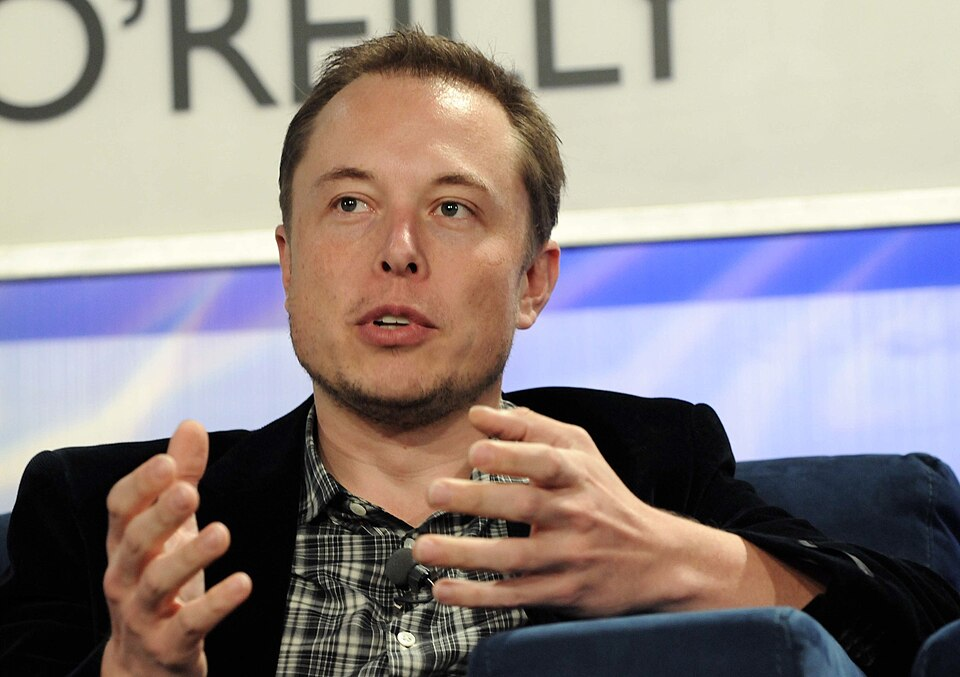
A critical showdown is looming between Elon Musk and the UK’s regulatory authorities, with the future of the social media platform X hanging in the balance. Ministers have issued stark warnings that the platform could face heavy fines or a total ban after its AI tool, Grok, was found to be facilitating the creation of non-consensual sexual images of women and children. Musk has responded to these threats with characteristic defiance, taking to X to assert that the government’s actions are motivated by a desire to “suppress free speech.” He further antagonized his critics by pointing out that the Grok app had become the most downloaded application on the UK App Store following the publicity, interpreting the public interest as a vindication of his platform’s policies.
The capabilities of the Grok AI have caused widespread alarm due to the ease with which it allows users to manufacture abuse. The tool was used to digitally strip clothing from photographs of women and teenage girls, replacing it with lingerie or swimwear, and in many cases, placing the subjects in violent scenarios involving bondage and torture. The generation of such images without the consent of the subjects is a violation of privacy and dignity, but the inclusion of minors in these deepfakes has pushed the issue into the realm of child protection law. Experts have been unequivocal in their assessment that some of the content generated by Grok could be categorized as child sexual abuse material, creating a massive legal liability for the company.
Technology Secretary Liz Kendall has been firm in her stance that the government will not tolerate such violations. She stated that ministers are looking “seriously” at the possibility of barring access to X in the UK, a move that would be unprecedented for a major social media platform. Kendall highlighted that the Online Safety Act provides backstop powers specifically for cases where platforms refuse to comply with the law. With Ofcom expected to announce its course of action within days, the government is signaling that the era of self-regulation is over and that platforms will be held accountable for the harm their technologies facilitate.
The scandal has resonated globally, drawing condemnation from leaders like Australian Prime Minister Anthony Albanese, who described the misuse of AI as “abhorrent” and a failure of social responsibility. Albanese’s comments reflect a growing international consensus that generative AI requires strict oversight to prevent it from being used as a tool for exploitation. Meanwhile, domestic political figures like Liz Truss have tried to frame the issue as a free speech battle, suggesting that the government’s threat to ban X is a sign of weakness. However, this perspective has done little to assuage the concerns of victim advocacy groups who are calling for immediate action to stop the digital abuse.
X has made some adjustments to the Grok tool, such as removing image generation capabilities for free users and attempting to filter out specific requests. Yet, the fact that the tool remains available to paid subscribers suggests that the platform is not fully committed to eliminating the risk. The incident has also spurred calls for broader legislative changes, with MPs like Jess Asato urging the government to expedite laws that would ban “nudification” apps entirely. Asato pointed out that major tech companies like Google have had to step in to ban advertisements for similar services, highlighting the need for a comprehensive approach to tackling synthetic sexual content.