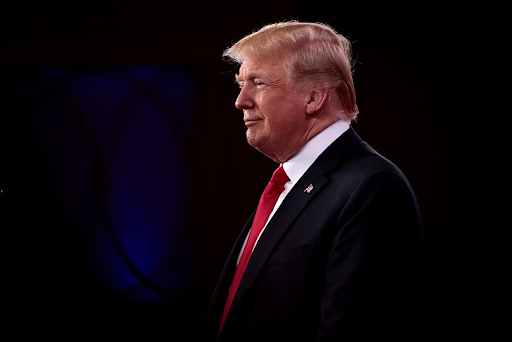
President Trump has unleashed a threat of 25% tariffs on South Korea, citing legislative inaction on a trade agreement both countries negotiated last year. The announcement encompasses major export categories including automobiles, pharmaceuticals, and lumber.
The October 2024 trade framework was finalized after intensive negotiations between Trump and South Korean President Lee Jae Myung, including provisions for reduced US tariffs in exchange for Korean investment commitments. However, disputes about ratification have prevented full implementation.
Korean officials were blindsided by Trump’s public announcement, receiving no advance diplomatic notification. The government is responding on multiple fronts, sending the trade minister to Washington for emergency talks while working with parliament to pass enabling legislation.
South Korea’s automotive manufacturers face substantial risk from the threatened tariff increase, as the sector depends heavily on American consumers purchasing nearly half of all Korean car exports. Stock market reaction included sharp price declines followed by partial recovery.
Trump’s approach to trade policy continues to emphasize threats and unpredictability as negotiating tactics. International economics experts express concern that such announcements undermine business confidence and create market volatility regardless of implementation.