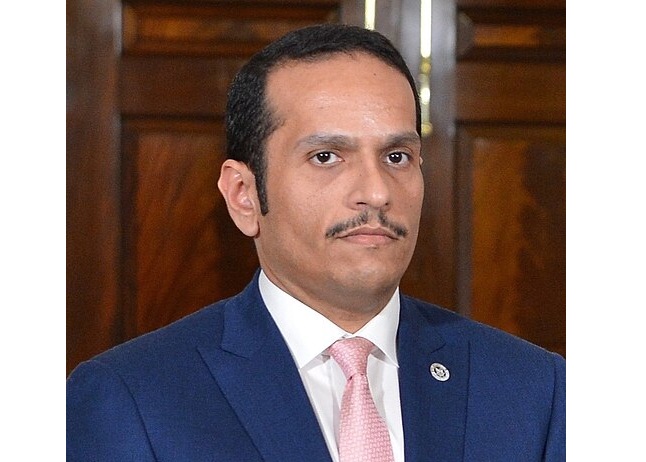
Qatar has reiterated its dedication to diplomacy and dialogue as essential tools for fostering peace and stability in the region, Prime Minister and Foreign Minister Mohammed bin Abdulrahman Al Thani announced at the Lucerne Lake Summit. He underscored the profound implications of recent regional conflicts, which have reverberated through the global economy, affected international trade, stressed energy markets, and impacted the lives of billions worldwide.
The prime minister highlighted the temporary closure of the Strait of Hormuz as a stark example of how regional tensions can disrupt global energy supplies and crucial trade routes. He emphasized that securing this key maritime passage is a collective international duty. The past period, he noted, has been one of the region’s most challenging, marked by growing instability and uncertainty. In response, Qatar remains a steadfast proponent of diplomatic engagement, asserting that dialogue, rather than confrontation, paves the only sustainable path to security.
Al Thani expressed optimism about the newly signed memorandum of understanding between the United States and Iran, seeing it as a foundational step toward enhancing development, cooperation, and prosperity in the region. He described the agreement as a significant chance to build trust and move toward a more stable future. However, he cautioned that the memorandum’s signing is merely the start, with upcoming technical negotiations being crucial to turning commitments into tangible outcomes.
Qatar has pledged to continue collaborating with international partners to reinforce dialogue, uphold international law, and promote trust while supporting peaceful solutions that boost regional and global security. At the summit, Qatar played a mediating role alongside Pakistan, facilitating discussions between the United States and Iran. These talks aim to secure a comprehensive and lasting agreement on the issues addressed by the memorandum of understanding.