
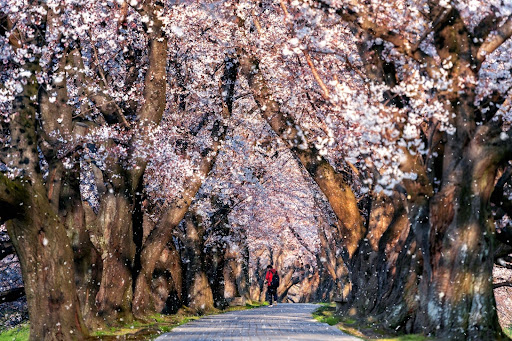
The transformation of India’s mountain landscapes from bare winter trees to blooming orchards is one of the most dramatic seasonal shifts in the country’s natural calendar — a change so rapid and so visually stunning that those who witness it consistently struggle to find adequate words to describe the experience. This transformation is currently underway across India’s blossom destinations, from the fruit orchards of Himachal Pradesh to the apricot groves of Ladakh, and the results are extraordinary. In pictures and in reality, India’s blossom transformation is among nature’s most spectacular seasonal performances.
In Dobhi village in the Kullu Valley of Himachal Pradesh, the transformation begins with the white plum blossoms appearing on trees that were completely bare just days before. Local residents describe the moment the valley transitions from grey winter bareness to white blossom abundance as one of the most emotionally powerful seasonal experiences available anywhere in India. One travel enthusiast from the area captures the essence of the transformation: “There’s not a speck of life anywhere else, and suddenly the valley is awash with these white blossoms.” This is the transformation in its most dramatic and elemental form.
Almora’s Kasar Devi offers a different kind of transformation — one where the change is measured not just in the appearance of flowers but in the quality of the landscape’s emotional atmosphere. The Himalayan hillsides, which carry a stark and magnificent beauty in winter, acquire a soft, intimate, almost otherworldly quality when the cherry and peach blossoms appear. The transformation is documented in the memories of visitors who describe arriving to find a landscape that seemed to be actively welcoming them — flowers appearing precisely where bare branches had been, as if nature had spent the winter preparing a gift.
Kashmir’s Srinagar undergoes perhaps the most publicly celebrated blossom transformation in India, as the famous Mughal gardens shift from their winter state to the pastel dreamscapes of the cherry blossom season. The transformation is gradual enough to be followed day by day — first the almond trees, then the early cherry varieties, then the full blossom peak — giving visitors who time their arrival carefully the opportunity to witness the full arc of the seasonal change. Garden caretakers describe monitoring the progression of buds on individual trees as a way of anticipating and participating in the transformation.
Ladakh’s Nubra Valley transformation is the most visually dramatic of all — a desert landscape that appears entirely forbidding in winter suddenly softened by thousands of apricot trees in full pink and white bloom. Shillong’s transformation in November reverses seasonal expectation by producing pink blossom beauty at a time of year when most landscapes are moving away from color rather than toward it. Both transformations capture something essential about India’s blossom season — the power of fleeting natural beauty to utterly change our perception of a place in the space of a few precious days.