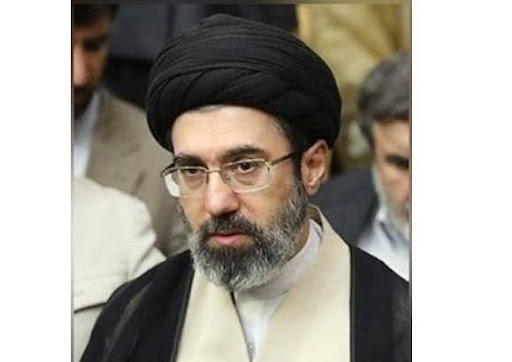
Governments and militaries across the Middle East braced for further escalation on Sunday as Iran announced the appointment of Mojtaba Khamenei as its new supreme leader. The selection, made by the Assembly of Experts following a decisive vote, came at a moment of extreme regional tension: Iran was actively striking Gulf states, Israel was striking Iran, and oil markets were surging on threats of further disruption. The appointment of a new, untested leader into this environment was seen by many analysts as a further destabilizing factor.
Mojtaba Khamenei, 56, is the son of the late Ayatollah Ali Khamenei, assassinated in a US-Israeli strike on February 28. He has no formal government experience, having spent his career as an informal power broker with deep ties to the IRGC. His appointment is historically unprecedented in the Islamic Republic and raises important questions about succession, legitimacy, and the direction of Iranian foreign policy.
The clerical establishment, security forces, and parliamentary leadership all quickly endorsed the new supreme leader. The IRGC pledged its allegiance, as did the armed forces. Parliament’s speaker called loyalty to Mojtaba a religious duty. Yemen’s Houthis offered congratulations from abroad, calling his appointment a victory against Iran’s enemies. The rapid consolidation of institutional support suggested the regime had been quietly preparing for this outcome.
Israel launched new strikes on Iranian infrastructure on Monday, framing the operations as a continuation of its campaign against the regime. Iran struck five Gulf states — Saudi Arabia, Bahrain, Kuwait, Qatar, and the UAE — in coordinated attacks. Civilian casualties were reported in Saudi Arabia, and Bahrain’s desalination plant was damaged. The IRGC threatened to push oil prices above $200 a barrel, and the United States pledged not to target Iranian energy facilities in an effort to prevent a global economic shock.
The region is bracing because the appointment of Mojtaba Khamenei removes one source of uncertainty — who leads Iran — while introducing others. How will the new leader govern? Will he escalate or seek an off-ramp? Will he command genuine authority or be managed by the IRGC? The answers to these questions will shape the Middle East’s trajectory for years to come, and everyone from Riyadh to Washington to Tel Aviv is watching carefully.