
The death of a seventh American service member in the Iran-Israel conflict came on the same weekend that global oil prices crossed $100 per barrel, a convergence of human tragedy and economic disruption that underscored the deepening stakes of a war with no end in sight.
The soldier died from wounds sustained during an Iranian attack on US forces in Saudi Arabia, where American troops had been stationed in support of regional security operations. Reports also emerged that Russia had been providing Iran with intelligence to help it identify and target US military assets — an allegation that, if confirmed, would represent one of the most alarming developments of the entire conflict.
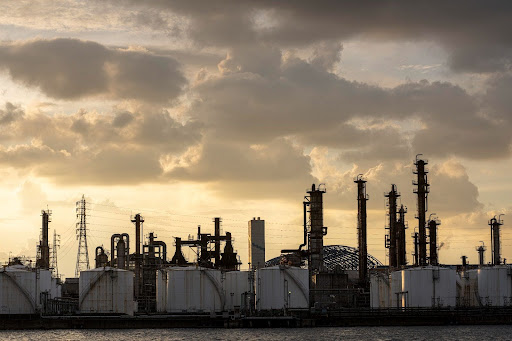
Israeli strikes on oil storage facilities near Tehran triggered the Iranian attacks, killing four energy workers and leaving the capital blanketed in thick, black smoke. Iran’s Revolutionary Guards threatened to push global oil to $200 per barrel if the attacks continued, while simultaneously launching fresh barrages against Saudi Arabia, the UAE, Qatar, Bahrain, and Kuwait.
Gulf states scrambled to defend themselves. Saudi Arabia intercepted 15 drones, Bahrain’s desalination plant was hit, and two Saudi civilians died in a residential strike. The scale of the attacks reflected Iran’s determination to impose costs on any country it perceived as facilitating the campaign against its energy infrastructure.
Iran’s clerical body appointed Mojtaba Khamenei as supreme leader amid the fighting, selecting the son of the late Ali Khamenei in a move condemned internationally as an embrace of dynastic rule. With a new hardline leader, seven Americans dead, oil above $100, and Russian intelligence reportedly in play, the situation had entered deeply dangerous territory.